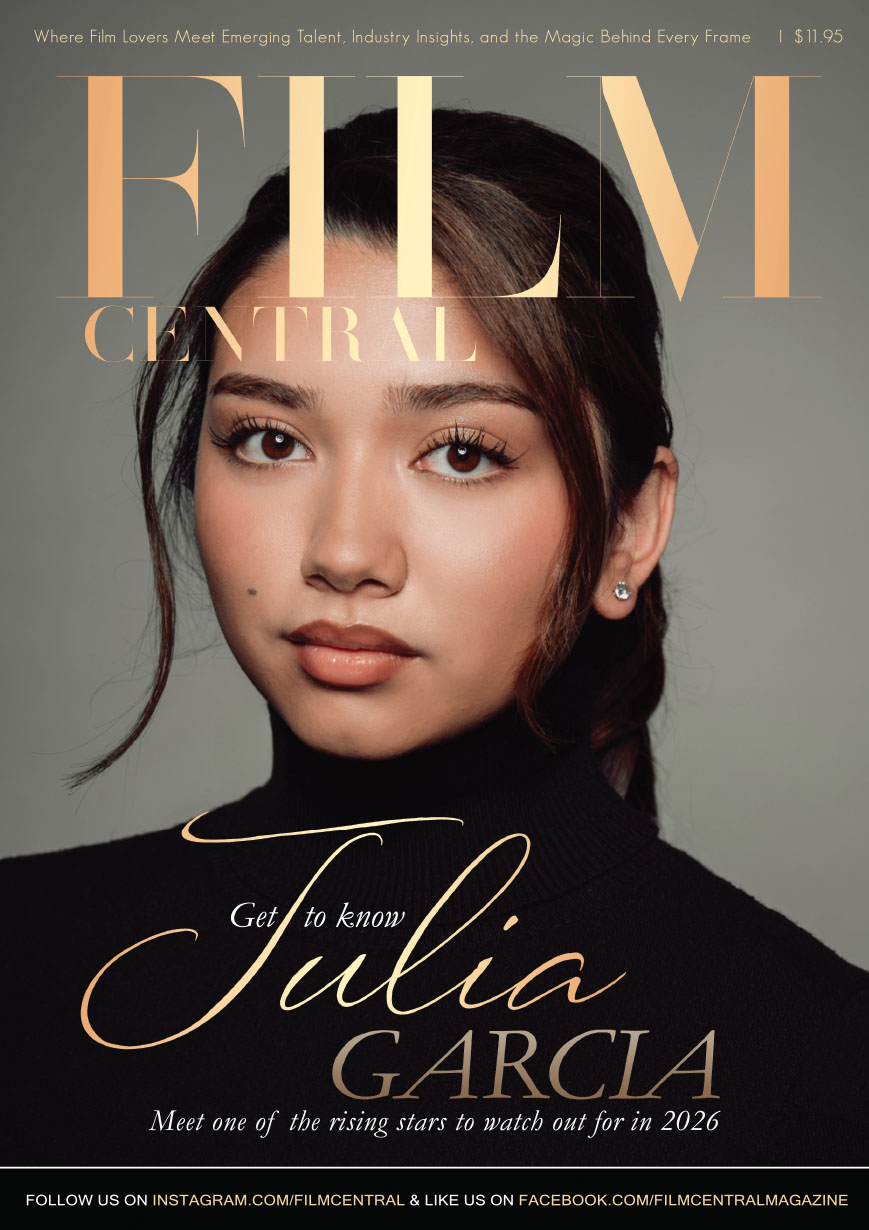
Julia Garcia stands at the intersection of talent, purpose, and fearless creativity—an artist whose work resonates far beyond the screen. Best known for her breakout role as Emmy Mendoza on Disney Channel’s Sydney to the Max, Julia instantly captured audiences with a performance that was bold, hilarious, and deeply heartfelt. Portraying a young girl navigating life with a learning disability, she brought humour and humanity to the role, offering representation that felt both authentic and empowering. It was a reminder that storytelling can be joyful while still carrying profound meaning.
Her impact only deepened with her critically acclaimed appearance on ABC’s Station 19, where her emotionally raw portrayal of a grieving teen ignited global conversations around women’s health and onscreen vulnerability. The response was undeniable—viral clips nearing 40 million views confirmed that Julia’s performances don’t just entertain; they connect, challenge, and move audiences worldwide.
Yet Julia’s influence extends well beyond acting. A creative force behind the camera from a young age, she produced Oscar-qualifying films by just 14 and went on to write, direct, and star in her debut feature at 18. Through her production company, Julia Garcia Enterprises LLC, she recently executive-produced Alone, continuing her commitment to inclusive, socially conscious storytelling.
Drawing inspiration from her Latina and Filipino heritage, Julia is passionate about reshaping Hollywood into a more collaborative and representative space—one where diverse voices are not only heard, but celebrated. Grounded in gratitude and purpose, she also gives back through her advocacy with CHLA, Teen Cancer America, and St. Jude Children’s Hospital.
As highlighted in Filmcentral Magazine’s latest feature, Julia Garcia is not just a rising star—she is a voice of her generation, using her platform to inspire empathy, authenticity, and lasting change.
You’ve delivered powerful performances on Sydney to the Max and Station 19, capturing both humor and raw emotion. How do you approach balancing these different facets of storytelling in your work?
Thank you so much for those kind words. I feel really lucky to have worked on both Sydney to the Max and Station 19 because they showed such different sides of storytelling. Sydney to the Max was a family comedy, but it still tackled real-life topics, so I was able to bring heart to the humor. Then with Station 19, it was all about tapping into real emotion and sharing stories that genuinely touch people. For me, it’s all about being honest, whether it’s a funny or serious moment, I always try to find what’s real and relatable. If you stay true to the character and the story, everything else falls into place.
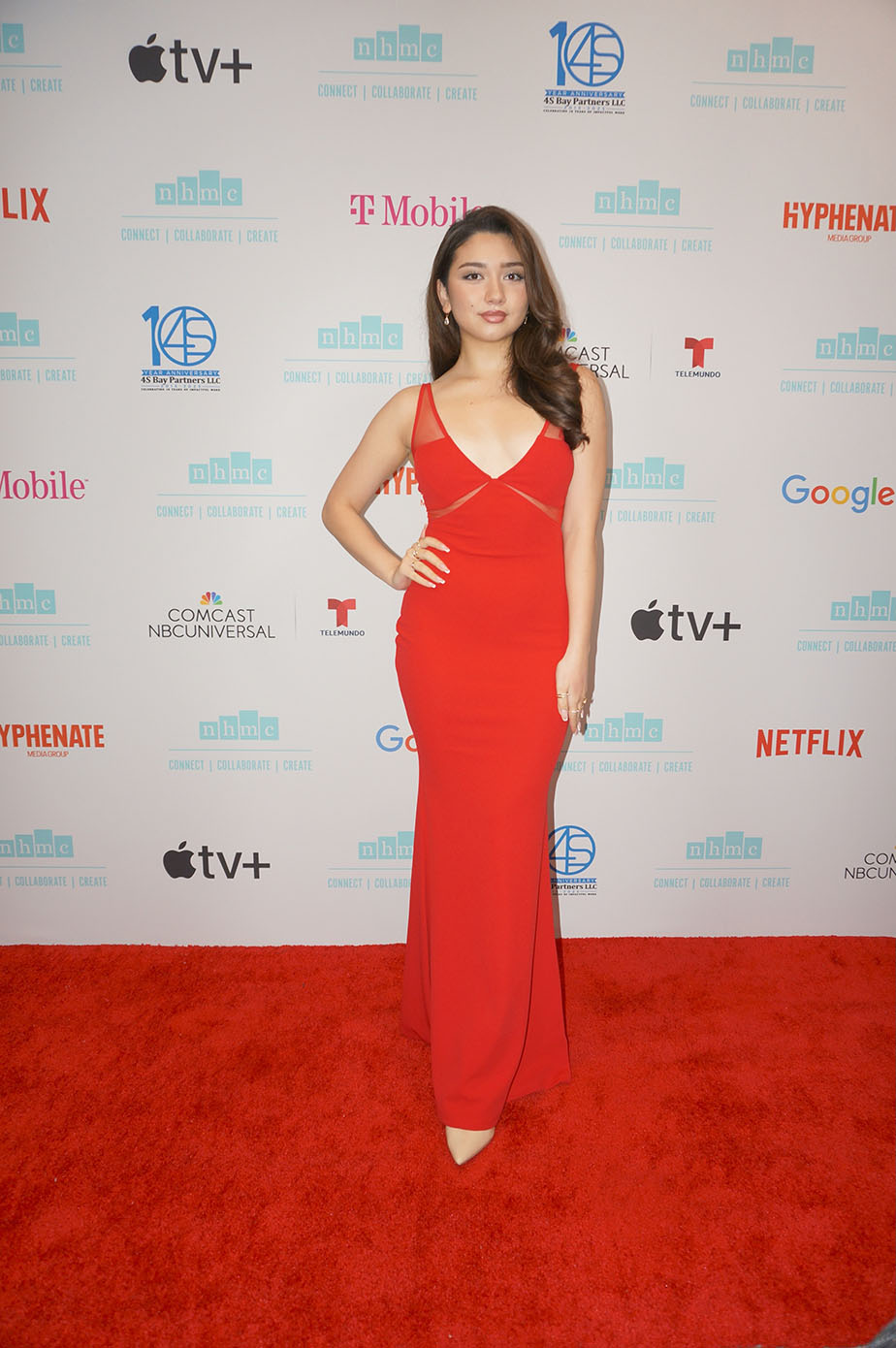
Representation has been a hallmark of your career. How has your own Latina and Filipino heritage influenced the roles you choose and the stories you want to tell?
Blending the strength of my Latin identity with the heart of my Filipino heritage really inspires the stories I want to tell. I’ve always seen representation as more than just being seen; to me, it’s about being heard and understood. In an industry where there’s still so much room for more of our voices, I feel a responsibility to help change that. I want to tell stories that feel real, honest, complex, and imperfect.
At just 14, you were producing Oscar-qualifying films, and now you’re writing, directing, and producing your own projects. How has moving behind the camera shaped your perspective as an actor?
Stepping behind the camera really changed how I see storytelling. As an actor, you focus on emotion and the character’s objective, but as a director and producer, you see how every detail builds that emotion. Creating my own projects has taught me the importance of bridging the roles of actor and producer to bring to life the stories I believe in. The process helps me be well-rounded, which, in turn, reflects on me as an actor. I’m also pleased to announce I have another film I produced that just became Oscar-qualified called ‘Living in Fear.’ Fingers crossed for that Academy Award nomination.

Your performance on Station 19 sparked a global conversation about women’s health and vulnerability. How do you navigate the responsibility of portraying such emotionally charged stories?
The Station 19 storyline was really special to me because it explored the journey of a young girl growing up without a mother and the strength it takes to navigate life through that kind of loss. I felt a real responsibility to handle it with care and honesty, knowing how many people carry that experience. Portraying emotionally charged stories like that is never about performance; it’s about empathy and finding truth in the character’s pain and resilience. It was an honor to tell this story to help others feel seen, understood, and less alone.
With your production company, Julia Garcia Enterprises LLC, and projects like ‘ALONE’, what drives your commitment to creating inclusive and authentic narratives in Hollywood?
I’m committed to creating stories that are real and relatable, whether the genre is drama or a thriller/horror film. I want audiences to see characters who look like them and have experiences that resonate with them. Inclusivity is a huge part of what I do. Hollywood has made progress, but there’s still so much room for diverse voices and authentic stories. I’m driven to make projects where everyone from all walks of life can relate and where the stories themselves reflect the richness and complexity of real life. My goal is to create work that entertains, connects, and represents people truthfully.
Comedy and heart often intersect in your work. How do you find the balance between entertaining audiences and delivering meaningful, socially relevant messages?
I love finding the balance where comedy meets heart; it comes naturally to me. Making people laugh is something I love to do, but I also want the stories to mean something and for the audiences to connect on a deeper level. I think the trick is staying honest with the character and situations I write. The humor comes through in the message and delivery, which’ll land with impact. It’s all about keeping the connection.
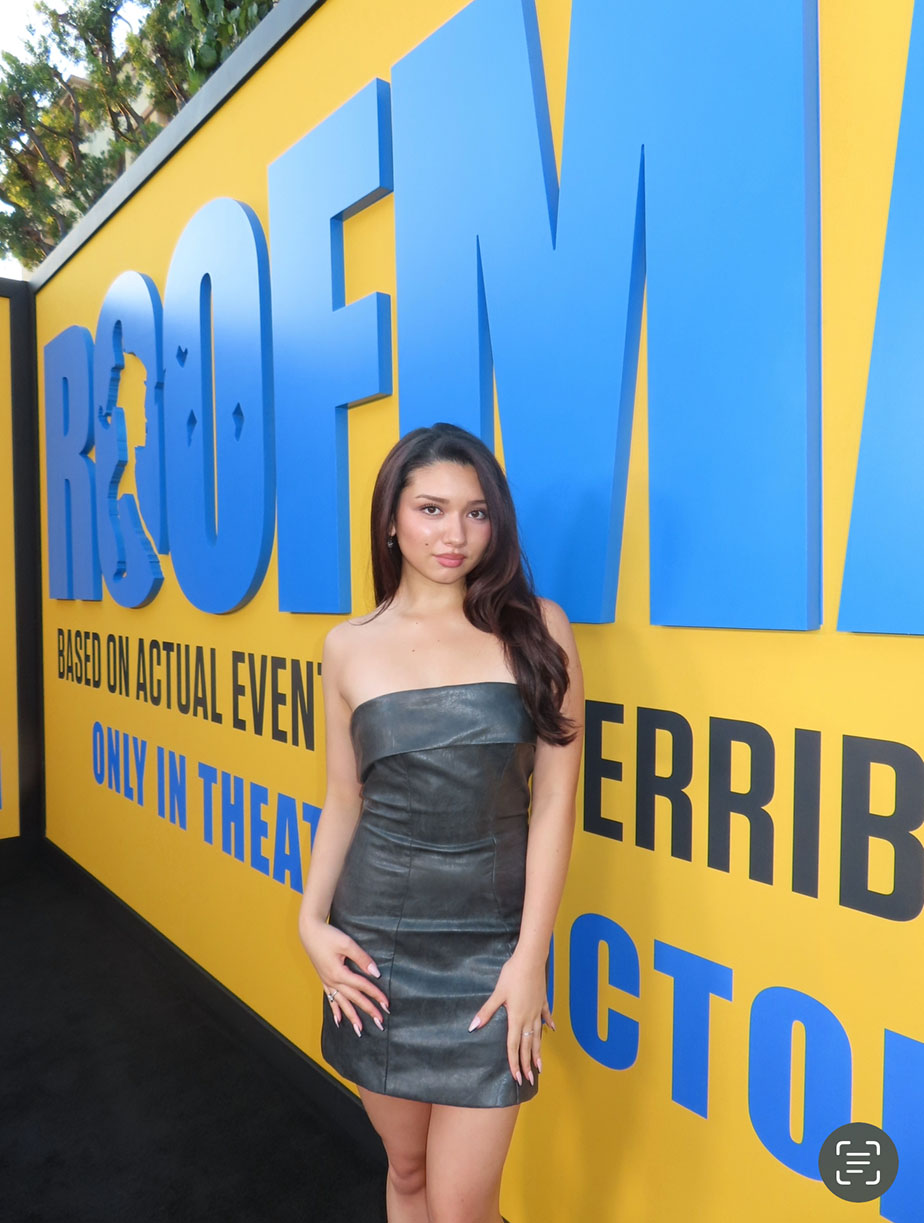
You actively support charities such as CHLA, Teen Cancer America, and St. Jude Children’s Research Hospital. How does giving back influence your work and your outlook on the industry?
Giving back is really important to me. Supporting CHLA, Teen Cancer America, and St. Jude, who each give hope to children and families during incredibly difficult times, reminds me why I do what I do. Philanthropy keeps me grounded and inspires me to choose projects and roles that can uplift, inspire, and make a real difference.
Looking ahead, what are the stories you are most passionate about telling, either in front of or behind the camera, and what impact do you hope they have on audiences?
Looking ahead, I’m really passionate about telling stories that reflect real, contemporary experiences of my heritage and my community, which are often stories not seen on screen. I want to explore themes like the immigrant experience, navigating identity between cultures, mental health, and generational trauma that challenge women growing up in these communities. Whether I’m acting, producing, writing, or directing, I hope my stories spark empathy and conversations that give audiences a chance to see themselves reflected on screen. I want my work to not only entertain and inspire.